A Homeowner's Guide to Residential Boiler Maintenance and Troubleshooting
When winter sets in across Calgary, your home's heating system becomes your most vital asset. The sudden temperature swings brought on by a rapid Chinook can put unexpected stress on your home's infrastructure, making proactive care essential. At Foothills Plumbing, we know that waking up to a freezing house is a stressful experience, especially when you are worried about frozen pipes bursting and causing significant water damage.
Many homeowners feel overwhelmed by the complexity of their heating systems and are often hesitant to call for help due to a fear of hidden fees or unreliable service. Understanding the basics of boiler maintenance and knowing how to troubleshoot minor issues can save you time, money, and a lot of headaches. This guide will walk you through essential upkeep tasks, help you identify early warning signs of failure, and explain when it is time to call in a professional to keep your family warm and safe all season long.
The Essential Boiler Maintenance Checklist for Homeowners
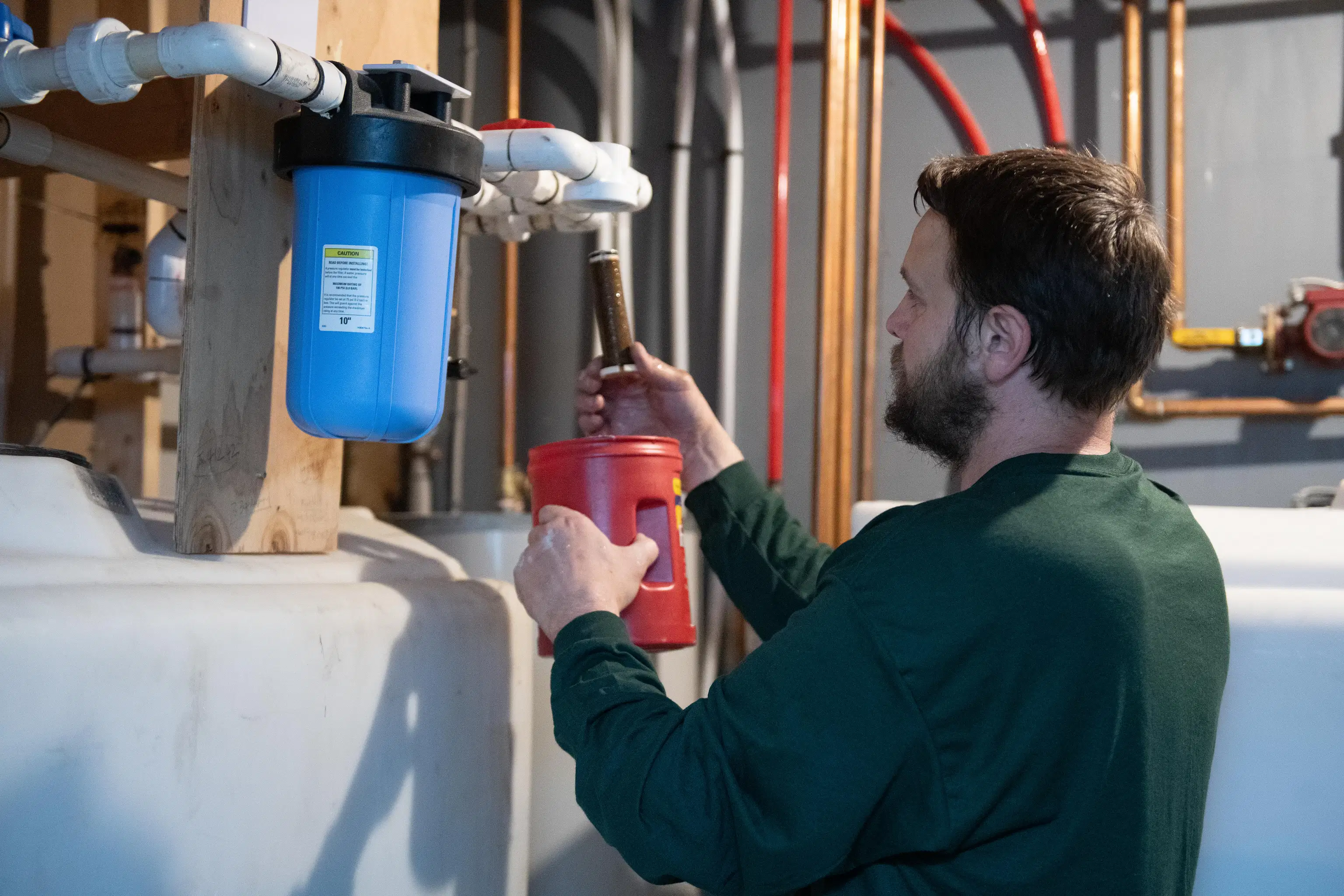
Your boiler works tirelessly to keep your home comfortable, but local environmental factors can make its job harder. Our notoriously mineral-rich hard water can cause scale and sediment to build up inside your heating system over time. If left unchecked, this buildup forces your equipment to work much harder to produce the same amount of heat, which reduces its overall energy efficiency and can significantly shorten its lifespan.
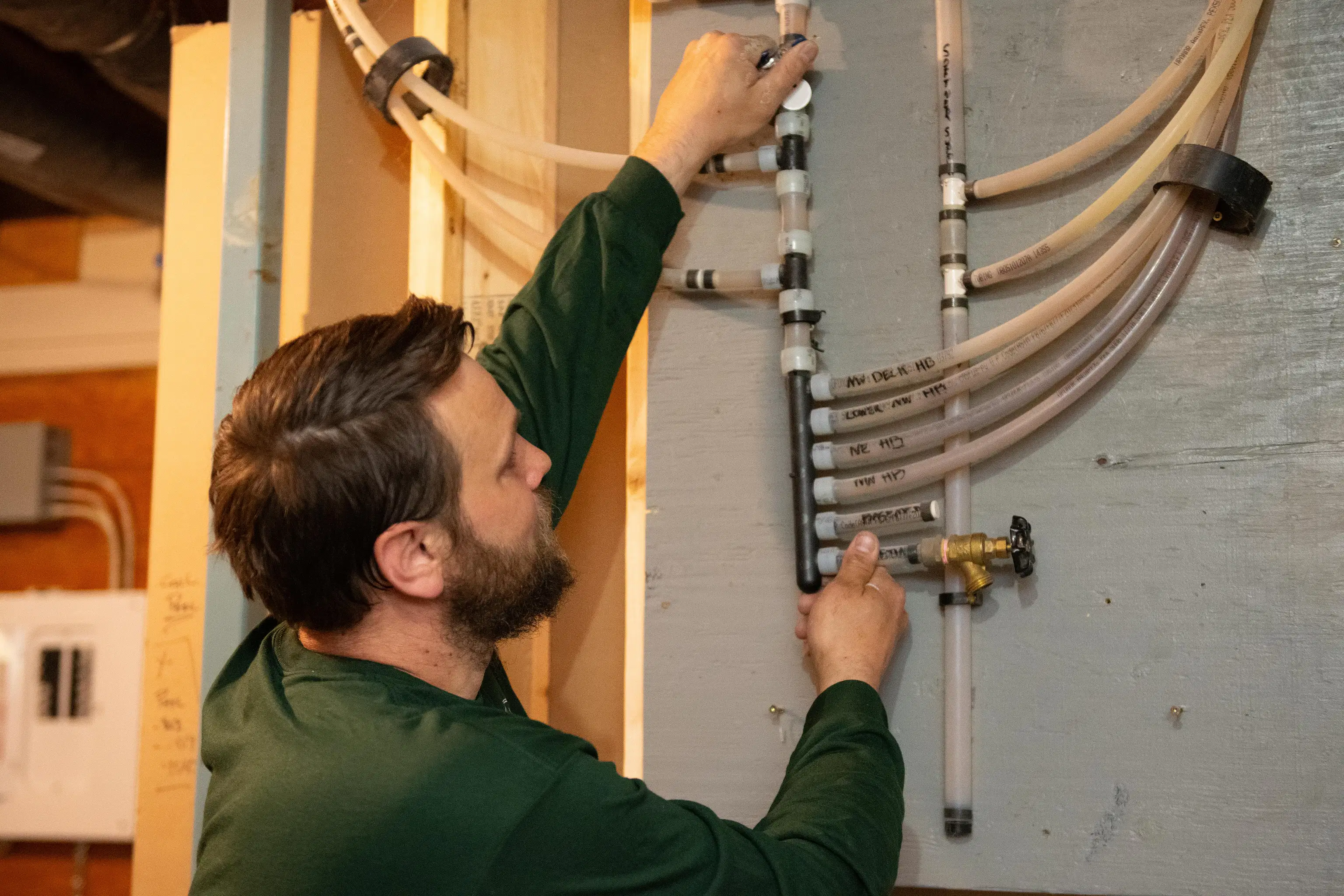
To keep everything running smoothly, there are several routine checks you should perform throughout the year. First, regularly check your system's water pressure gauge. Most residential systems should sit between 12 and 15 psi when cold. If the pressure drops too low, your system may fail to ignite or circulate properly. Conversely, if it is too high, it puts unnecessary strain on valves and seals.
Next, take the time to bleed your radiators or baseboard heaters at the start of the heating season. Trapped air prevents hot water from fully circulating, leaving you with cold spots in your rooms. By slightly opening the bleed valve until water begins to trickle out, you release that trapped air and restore full heating capacity.
It is also important to visually inspect the area around your boiler. Look for any signs of small leaks, pooling water, or corrosion on the pipes. Even a minor drip can indicate a failing seal that could lead to a major breakdown during a cold snap. Finally, ensure the area around your unit is clear of clutter to allow for proper airflow and safe operation.
While these homeowner tasks are important, they do not replace the need for professional oversight. Scheduling annual heating system inspections with a certified gasfitter ensures that your system's internal components, safety switches, and venting are all operating correctly before the extreme cold arrives.
Signs Your Residential Boiler Needs Repair
Even with diligent maintenance, mechanical parts eventually wear out and issues arise. Being able to spot the early warning signs that your heating equipment needs repair can prevent a minor fix from turning into a major emergency in the dead of winter.
One of the most common signs of trouble is strange noises coming from the unit or the pipes. If you hear a loud rumbling or kettling sound, it is often a sign that hard water scale has built up on the heat exchanger, causing the water to boil too rapidly. Banging or clanking noises can indicate a failing circulator pump or loose internal components.
Inconsistent heating is another major red flag. If you live in an older Beltline condo or a sprawling home in the Deep South, you might notice certain rooms are freezing while others are sweltering. This is often related to circulation issues or faulty zone valves. If you rely on in-floor heating and notice distinct cold patches, you likely need professional hydronic heating repair to clear blockages and get the warm water circulating properly again.
Frequent pressure loss is also a sign that something is amiss. If you find yourself constantly having to top up the boiler's water pressure, you either have a hidden leak in your piping or a failing pressure relief valve. Both issues require immediate attention to prevent water damage or system failure.
We understand that calling a contractor can be stressful, which is why Foothills Plumbing believes in complete transparency. Our diagnostic process is incredibly thorough. We charge a flat $80 service call fee and a $110 per hour labour rate, with absolutely zero hidden fees. Before any work begins, our Red Seal certified plumbers will explain the issue in plain language, detailing every repair option so you can make an informed decision for your home.

Keep Your Home Warm and Safe All Winter
Your boiler is the heart of your home's comfort system, and keeping it in top condition is the best way to protect your property and your family from the harsh realities of a long winter. By staying proactive with your maintenance checklist and knowing when to call in an expert for unusual noises or pressure drops, you can enjoy peace of mind and lower utility bills.
Whether you need help bleeding stubborn radiators, require an urgent fix for a system that won't ignite, or are looking for comprehensive boiler services to upgrade an aging unit, our team is ready to assist. We pride ourselves on delivering honest, high-quality workmanship that you can rely on year after year.
Don't wait for a cold snap to test the limits of your heating system. Reach out to Foothills Plumbing today to schedule your seasonal maintenance and ensure your home stays cozy, efficient, and safe through every season.