
Troubleshooting Common Radiant Floor Heating Problems
There is nothing quite like the luxury of stepping out of bed on a freezing winter morning in The Foothills and feeling the gentle, consistent warmth of a heated floor beneath your feet. For many homeowners, a hydronic radiant floor system is the ultimate upgrade for comfort and energy efficiency. However, when the deep freeze sets in and you suddenly find your radiant floor heating not getting warm, that luxury quickly turns into frustration.
Radiant heating systems are generally highly reliable and require less day-to-day intervention than traditional forced-air furnaces. Because the entire system operates silently beneath your flooring, it can be tough to know exactly what is going wrong when the temperature drops. Unlike a standard vent that stops blowing hot air, a hydronic system relies on a complex network of boilers, pumps, manifolds, and carefully balanced water pressure to keep your home cozy.
At Foothills Plumbing, we have helped countless families restore their home's comfort. Whether you are dealing with a single cold zone in your bathroom or a complete system failure, understanding the root cause of the issue is the first step to getting things flowing again. In this guide, we will walk you through the most common problems homeowners face with these systems, how you can spot the warning signs early, and what to expect when it is time to call in a professional for radiant floor heating installation and repair.
Recognizing the Symptoms of a Failing System
The most obvious sign of a problem is a cold floor, but the way your system fails can tell you a lot about the underlying issue. Hydronic systems use a boiler or water heater to warm liquid, which is then pumped through a series of PEX pipes installed beneath your floorboards. If any component in this chain malfunctions, your comfort is compromised.
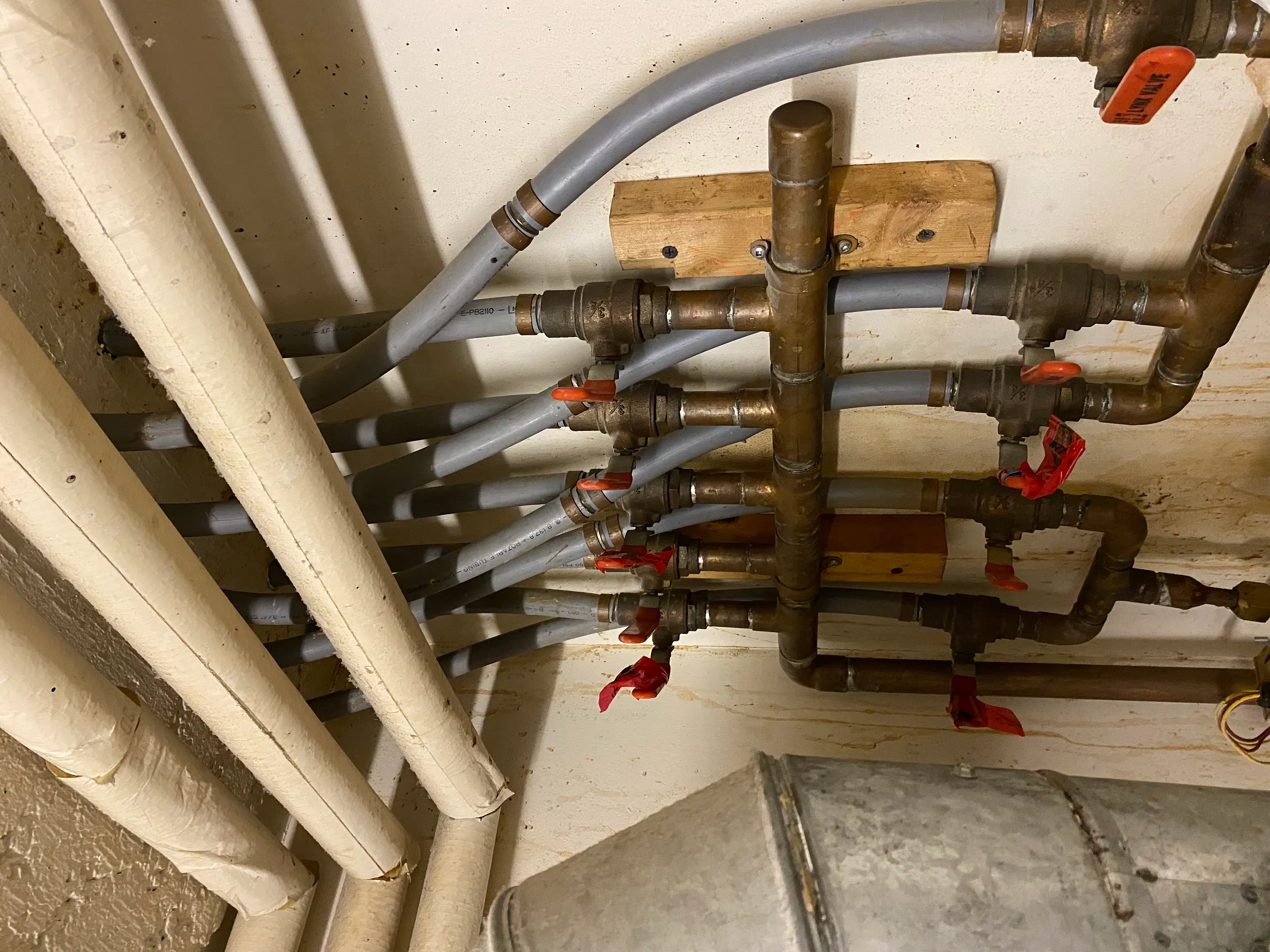
One of the most frequent issues we see is trapped air within the closed-loop system. If air bubbles accumulate in the pipes, they can create an airlock that completely blocks the flow of hot water. You might notice that some rooms are perfectly warm while others remain icy, or you might hear a faint gurgling or rushing water sound coming from your mechanical room. Purging the air from the manifold usually resolves this, but it requires carefully manipulating the valves without introducing more air into the lines.
Another major concern for homeowners is the fear of water damage. Because the pipes are hidden beneath the concrete slab or flooring, spotting a leak isn't always as simple as seeing a puddle. The signs of a radiant floor heating leak are often subtle. You might notice an unexplained drop in your boiler's pressure gauge, a sudden spike in your water bill, or discolored and warping floorboards. In some cases, damp spots might appear on the ceiling of the room below. If you suspect a leak, it is crucial to act quickly to prevent extensive structural damage to your home.
Electrical and mechanical failures are also common culprits. Zone valves that fail to open, broken circulator pumps, or even a malfunctioning thermostat can stop the system dead in its tracks. Sometimes, the issue isn't with the floor system at all, but rather with the boiler itself failing to ignite or circulate the water properly.
How to Maintain Hydronic Floor Heating
Preventative care is always more cost-effective than emergency repairs. Knowing how to maintain hydronic floor heating can extend the life of your system by decades and keep your monthly utility bills manageable. The key to a healthy radiant system lies in routine mechanical inspections.
First and foremost, your boiler or water heater needs annual servicing. The boiler is the heart of your radiant system, and keeping it running efficiently is paramount. During a routine maintenance visit, a technician will check the burner, clean the heat exchanger, and ensure that the safety valves are operating correctly. This is a core part of our comprehensive heating system services that keeps your equipment running smoothly.
It is also important to regularly check the system's pressure gauge. Most residential hydronic systems operate between 12 and 20 PSI. If you notice the pressure slowly dropping over time, it could indicate a micro-leak or a failing pressure reducing valve. Catching these small pressure changes early can save you from a major headache later on.
Fluid quality is another critical maintenance factor. The water in your radiant pipes shouldn't just be plain tap water. It is typically treated with a specialized glycol mixture to prevent freezing—a mandatory precaution considering the dramatic temperature swings we experience when a warm Chinook rolls out and the deep freeze returns. Over several years, the anti-corrosion inhibitors in this fluid can break down, leading to rust and sludge buildup inside the pipes and boiler components. Having your fluid tested and flushed periodically ensures that your system remains clean and highly efficient.
Why Hiring a Professional Matters
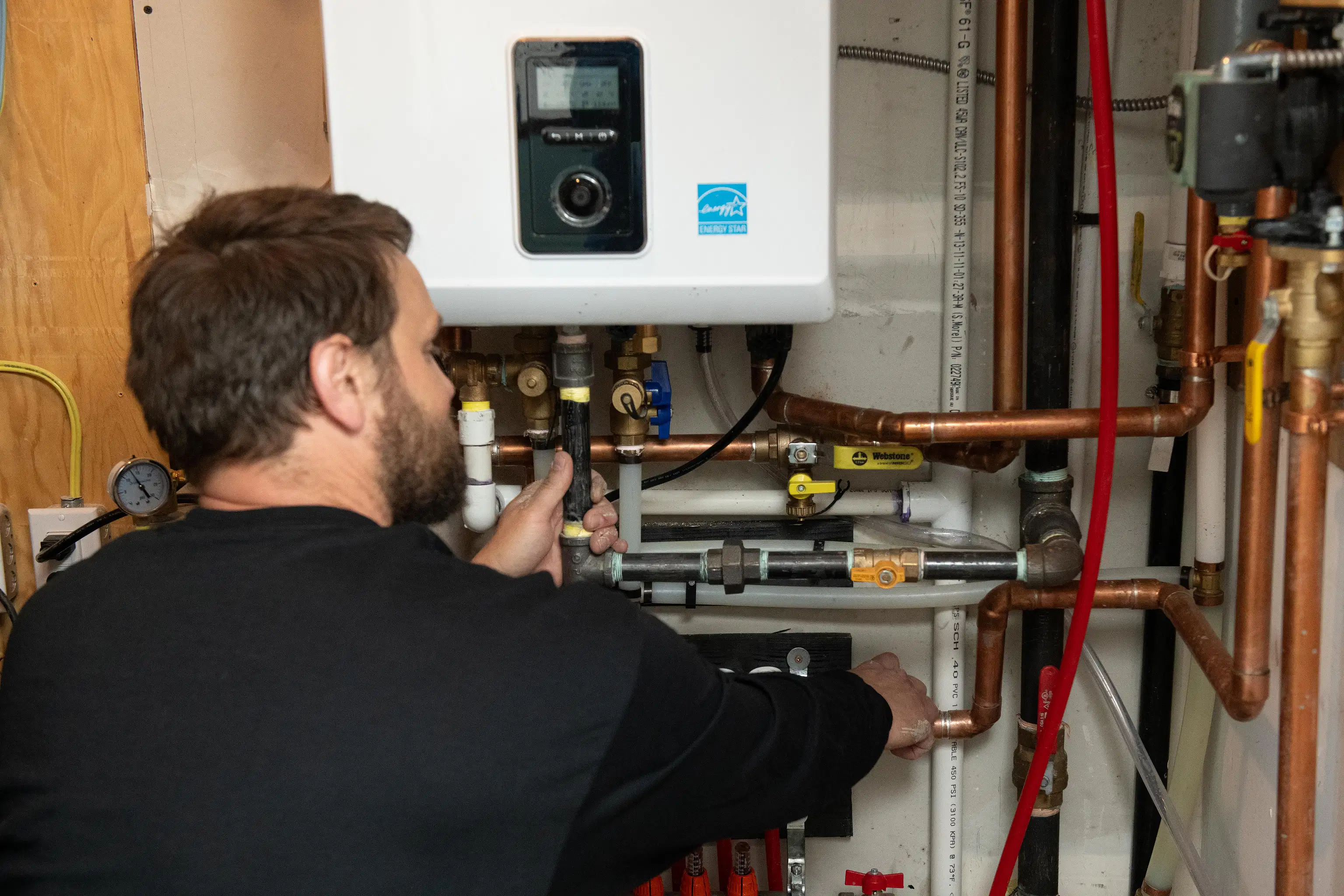
When faced with plumbing or heating issues, it can be tempting to try and troubleshoot the mechanical room yourself. However, hydronic heating systems are complex and heavily regulated. Attempting DIY repairs on boilers, gas lines, or pressurized manifolds can void your equipment warranties and potentially violate local building codes.
This is where hiring a Red Seal certified plumber becomes essential. The Red Seal endorsement is a standard of excellence that guarantees the tradesperson has undergone rigorous training, apprenticeship, and testing. It ensures that the technician working on your home has the expertise to safely diagnose intricate mechanical failures, understand the latest provincial building codes, and implement repairs that stand the test of time.
We know that calling a plumber can be stressful, especially if you are worried about unpredictable costs. That is why we believe in transparent, upfront pricing. Our diagnostic process is thorough and straightforward: we test your system's pressure, inspect the manifold, check the boiler's performance, and isolate the exact cause of the failure. Once we know what is wrong, we provide you with clear repair options and a flat-rate price before any work begins. No hidden fees, no surprises—just honest, reliable workmanship.
Keep Your Home Warm All Winter Long
Don't let a malfunctioning radiant floor system ruin the comfort of your home. Whether you need a simple system purge, a thermostat recalibration, or a complex leak repair, addressing the issue promptly will save you money and protect your property from water damage.
If you are experiencing cold spots on your floor or noticing drops in your boiler pressure, let our expert team take a look. We are proud to serve families across Cowtown and the surrounding areas with punctual scheduling, respectful service, and guaranteed results. Reach out today and contact us to schedule your diagnostic visit. We will make sure your floors are warm, your home is safe, and your plumbing systems are ready for whatever the winter weather brings.